About the Island / Locals Know Blog / Know Before You Go
Visiting Cape Breton Island in the Winter: What to Know Before You Go
Winter on Cape Breton Island is a different kind of beautiful. The Highlands go quiet under fresh snow, the coastline turns icy blue and the whole Island slows down to a pace that's easy to fall into. Ski runs end at the ocean, trails feel like they belong to you and every warm drink tastes better after a cold day outside. It's also the season that rewards a little planning. Some businesses close or shorten their hours, the weather can change fast and the Cabot Trail asks for respect. This guide covers the practical side of a winter trip, from checking road conditions to planning your meals, so you can spend less time worrying and more time enjoying the snow.
Know What Winter Looks Like Here
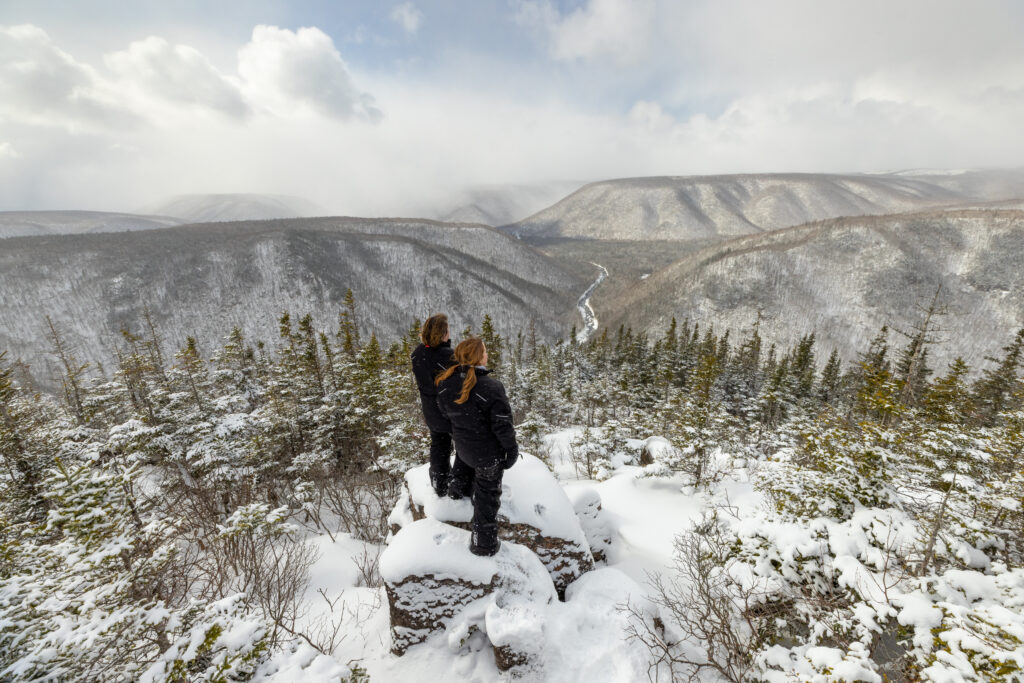
Winter here generally runs from December through March, with snow squalls that can arrive quickly and pile up. Conditions in the Highlands can be completely different from those along the coast, so a calm, sunny morning in Ingonish doesn't guarantee the same at the top of French Mountain. Coastal wind is the other big factor: on a calm day, coastal walks are magic, and on a windy one, sheltered forest trails are your friend.
Here's something many visitors don't expect: winter is one of the friendliest times to visit. With fewer travellers around, the people you meet have more time to chat, recommend a trail or point you toward the best bowl of chowder in town. Check the Climate & Weather page before you go for seasonal packing tips and weather alerts.
Check the Roads Before Every Drive
Make 511 Nova Scotia your first stop every morning. It shows live highway cameras, weather-related closures and plow updates across the province, and you can dial 511 from anywhere in Nova Scotia. Our Driving Directions & Road Conditions page has more tips for the drive in.
A few road rules locals live by:
- Winter tires are a must. Nova Scotia allows studded tires from October 15 to April 30. If you're renting, confirm your vehicle has proper winter tires before you leave the lot.
- Fuel up whenever you can. Gas stations are spread out in the north, and some keep shorter winter hours.
- Download offline maps. Cell service drops in and out along remote stretches of the Cabot Trail, so carry a paper map as a backup.
- Pack a winter car kit: blanket, snacks, water, a scraper, a small shovel and a phone charger.
- Watch the daylight. It gets dark early in December and January, so plan to be off the mountain roads before sunset.
Driving the Cabot Trail in Winter
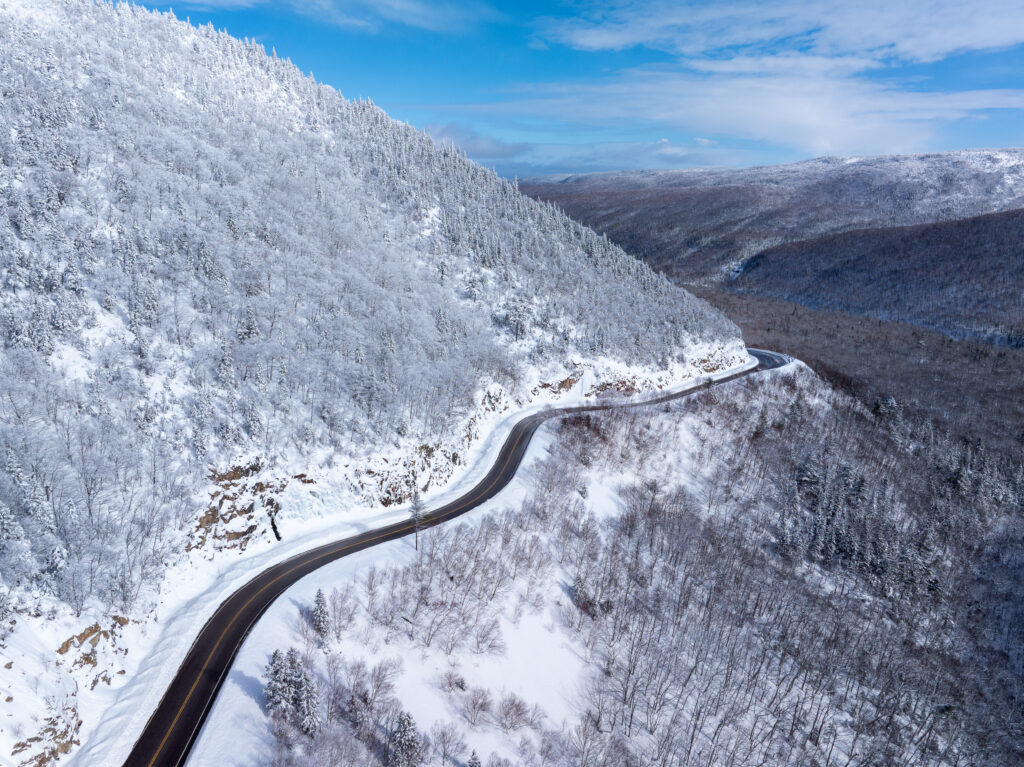
Yes, you can drive the Cabot Trail in winter, and on a clear day it's unforgettable: snow-capped Highlands, sea smoke drifting off the water and hardly another car in sight. The Trail is open year-round, and inside Cape Breton Highlands National Park, Parks Canada makes plowing it the top priority.
The stretch to keep an eye on is North Mountain, between Pleasant Bay and Big Intervale. It's one of the highest and most exposed parts of the drive, and when a storm brings heavy snow, strong winds or whiteout conditions, Parks Canada can close it until crews are able to clear the road safely. Here's why that matters: there's no shortcut around the mountain, so a closure can change your plans for the day.
A little planning keeps a closure from derailing your trip:
- Check before you climb. Look at 511 Nova Scotia the morning of your drive and again before you head into the Highlands.
- Don't count on the mountain to get home. Book your night on the side of the Trail you'll be exploring, rather than planning a late crossing back over North Mountain.
- Drive the Highlands in daylight and good weather. If the forecast calls for snow squalls or high winds, save the mountain for tomorrow and enjoy the coast instead.
- Respect the barriers. When a section is closed, signs and gates go up, and entering a closed area is against the law. It puts you and the crews who would respond to a rescue at risk.
If a closure catches you mid-trip, take it as permission to slow down. Settle in somewhere cozy, order the chowder and let the plows do their work. For road safety issues inside the park, Parks Canada's line is 1-877-852-3100, and for emergencies, call 911.
Getting Here in Winter
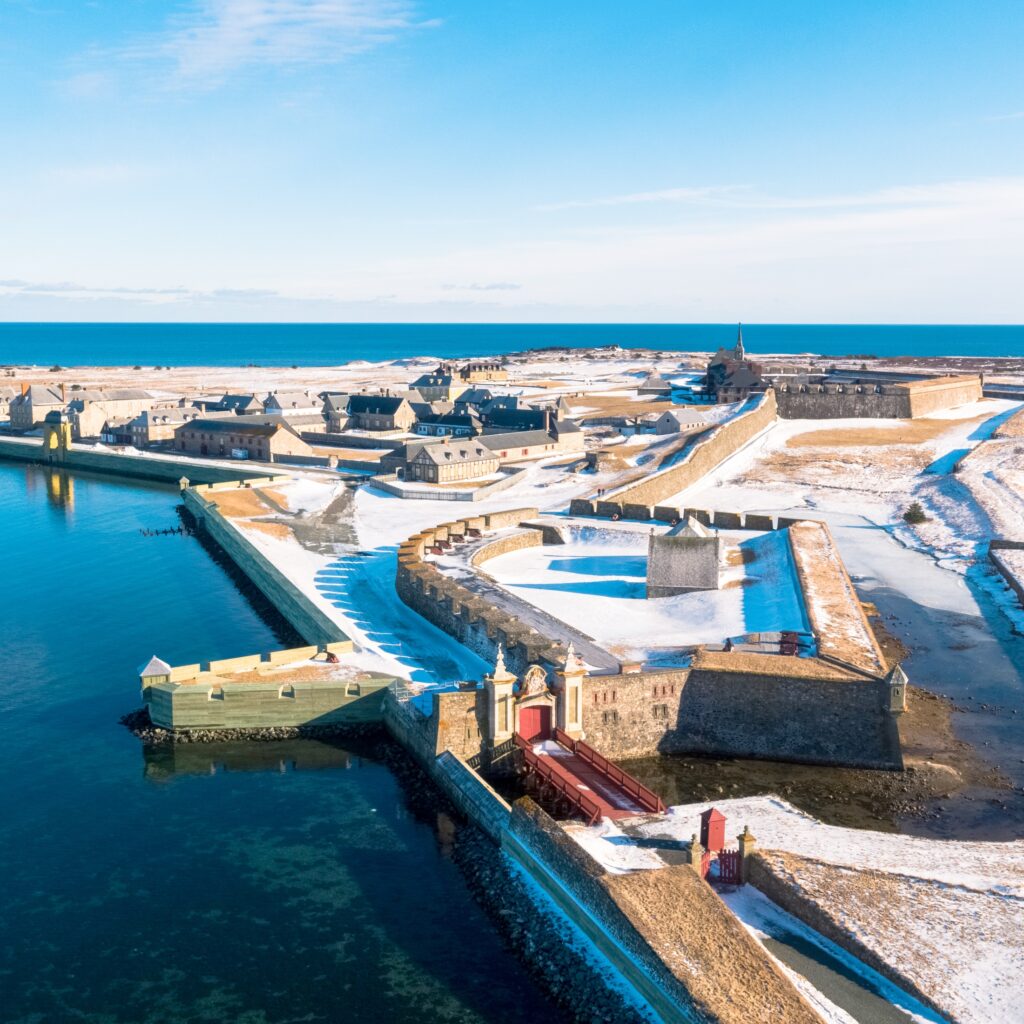
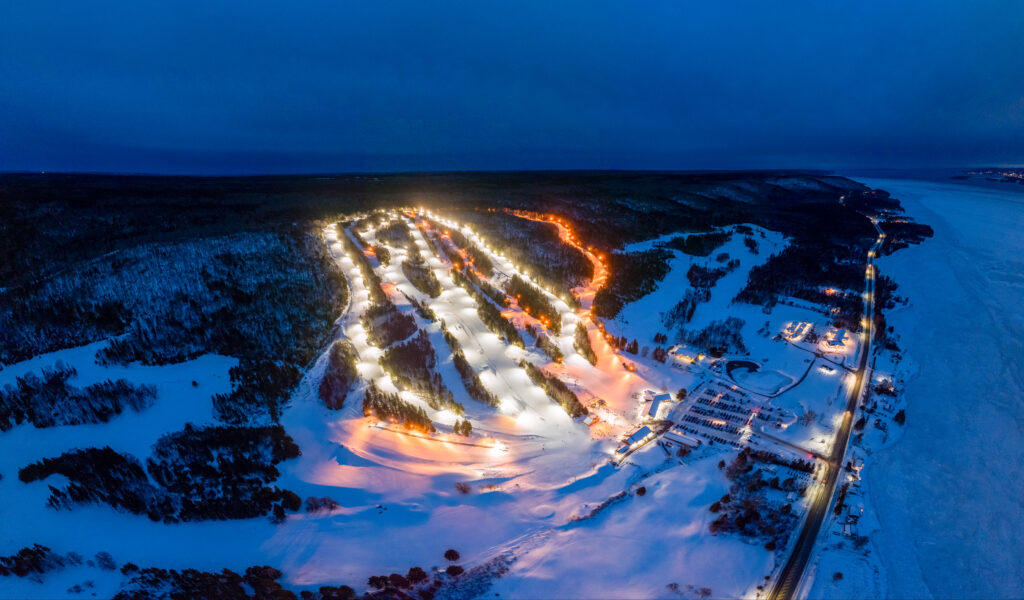
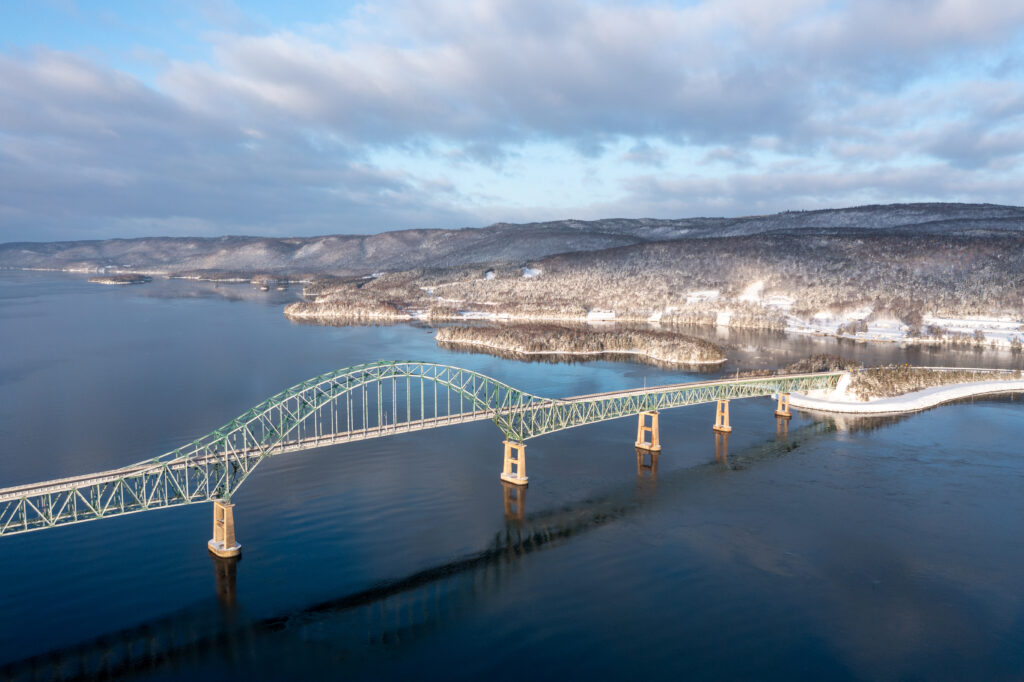
If you're flying, Air Canada offers daily flights into the J.A. Douglas McCurdy Sydney Airport from Toronto and Montreal all winter long, and landing in Sydney puts you close to Ski Ben Eoin and the Fortress of Louisbourg. Ingonish is about two hours away. Driving in? The Trans-Canada Highway brings you to the Canso Causeway year-round. One heads-up for visitors coming from Prince Edward Island: the Wood Islands–Caribou ferry is seasonal and doesn't run in winter, so plan to use the Confederation Bridge instead.
Plan Your Meals Before You Hit the Road

This is the tip we give every winter visitor: plan where you'll eat before you leave in the morning. Many restaurants operate at reduced capacity in the winter, shifting to shorter hours, closing a few days a week or taking a break for the season, especially along the Cabot Trail. Always check restaurant hours before you go, call ahead, book a table when you can and keep snacks and a thermos in the car for long stretches between towns.
While you're here, try the comfort classics: seafood chowder, Acadian meat pie and blueberry grunt for dessert. Browse food and drink listings or our Where to Eat This Winter guide to see what's open near you.
Things to Do on the Island This Winter
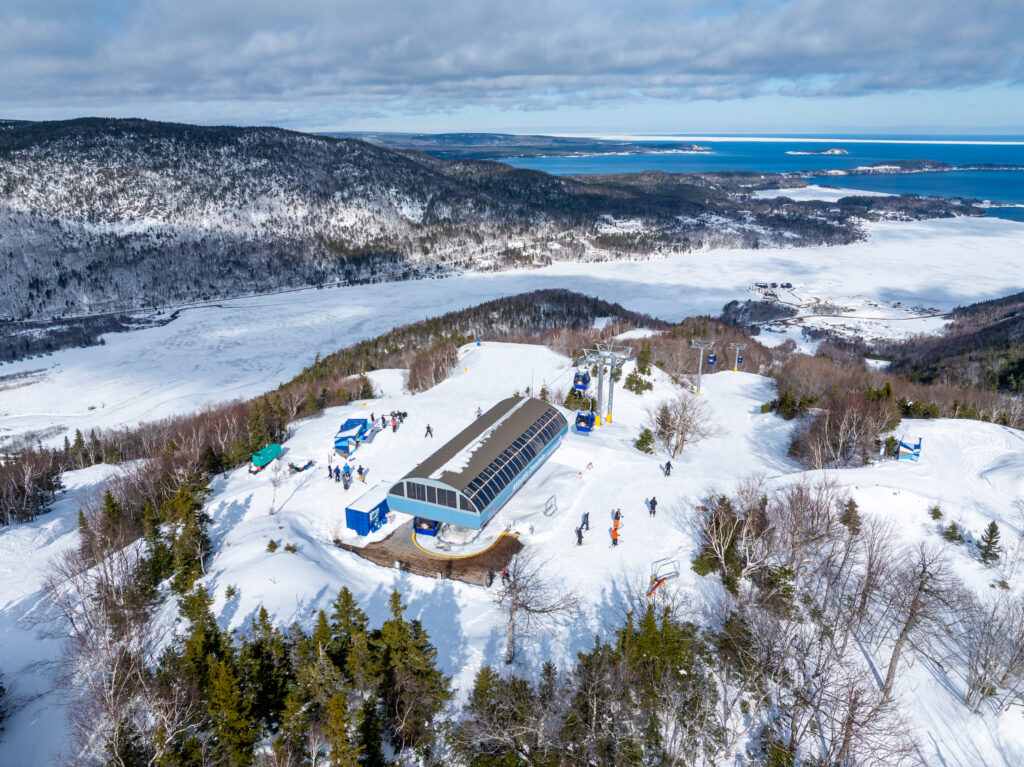
Snow opens up a whole new way to see the Island. Downhill skiers can ride the gondola at Cape Smokey, Atlantic Canada's only ski-to-ocean destination, or catch night skiing over the Bras d'Or Lake at Ski Ben Eoin. For a quieter glide, North Highlands Nordic in Cape North and Ski Tuonela in St. Ann's groom kilometres of cross-country trails. Snowshoers can rent gear at the Cape Breton Highlands National Park Ingonish Visitor Centre and head out on nearby trails like Clyburn Valley, though park trails aren't maintained in winter. Snowmobilers will find groomed Highland trails (you'll need a Snowmobilers Association of Nova Scotia trail permit), with rentals and guided tours from TNT Outdoor Adventures. History buffs can still visit the Fortress of Louisbourg National Historic Site at reduced capacity, with the grounds open for weekday walks while the buildings are closed until spring. And when the sun goes down, the Island's music keeps winter warm, with ceilidhs, pub sessions and concerts in community halls and local spots all season long. Check our music and performance listings to see what's on during your stay. Browse more skiing, cross-country skiing, snowshoeing and snowmobiling experiences to build out your days.
Pack Like a Local
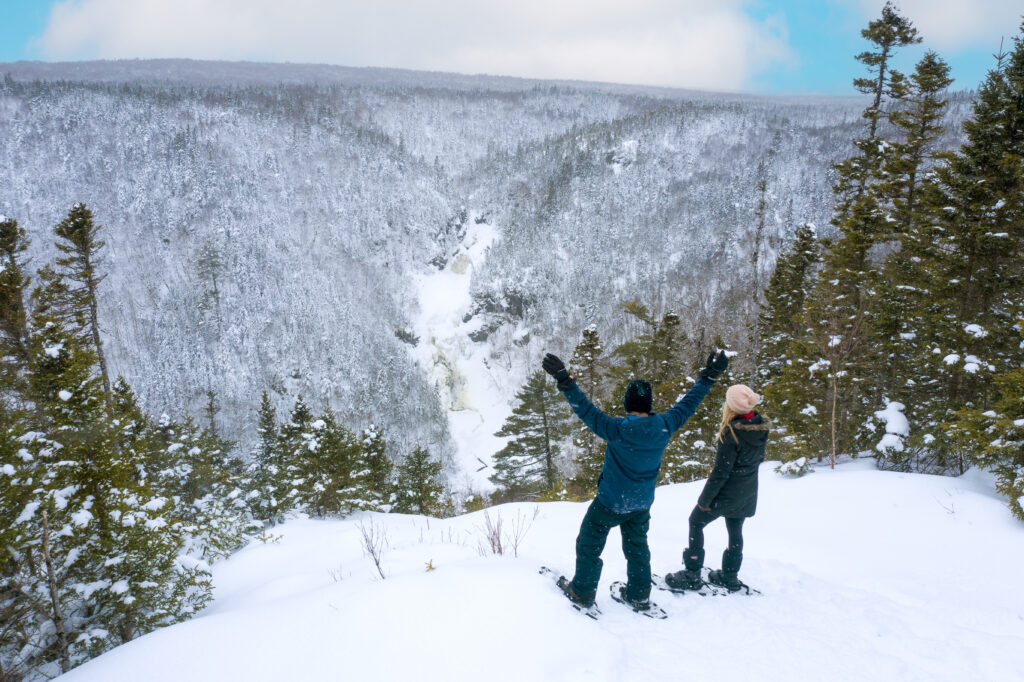
Layers beat bulk every time. A warm base layer, a fleece and a windproof shell will keep you comfortable whether you're on the slopes or walking a windy beach. Pack extra gloves (you'll thank yourself), a toque, warm waterproof boots and sunglasses for the glare off fresh snow. Keep your phone in an inside pocket, since the cold drains batteries fast. And if a local recommends a spot, go.
Choose a Cozy Home Base
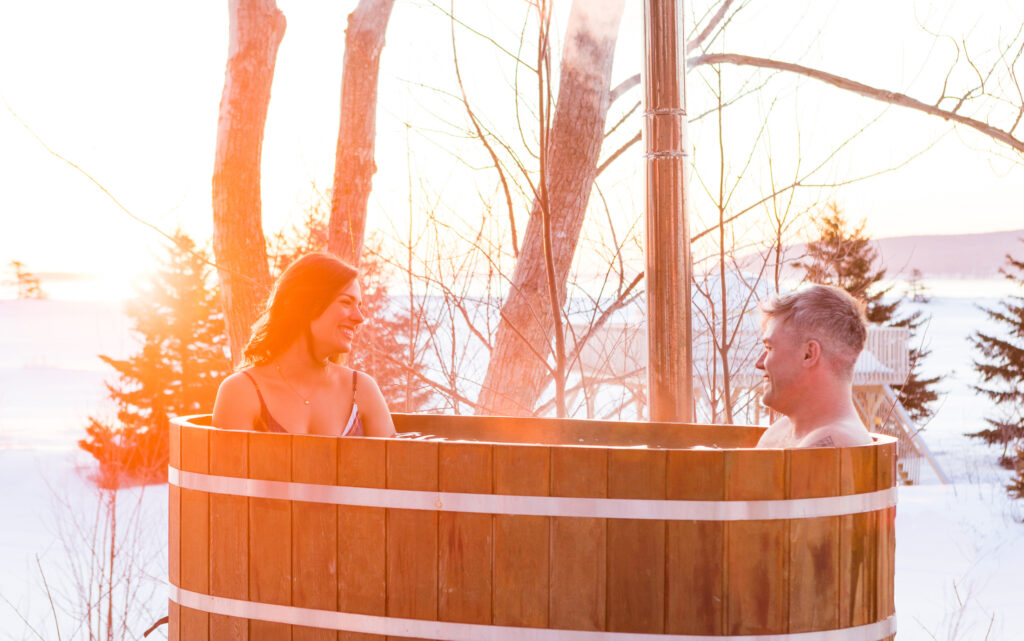
In winter, the best trips stay put. Pick one or two home bases instead of trying to loop the whole Island, and let the weather decide which adventure fits each day. Ingonish and Area puts you close to skiing, snowshoeing and the National Park, while the Sydney area keeps restaurants, Ski Ben Eoin, the Fortress of Louisbourg and the airport nearby. After a cold day outside, the right place to thaw out makes all the difference. Our Warm Up to Winter guides round up stays with saunas, crackling fireplaces and hot tubs or jacuzzis, or you can browse cottages and cabins for the kind of view you'll want to wake up to. Build in a buffer day too. If a storm rolls through or North Mountain closes for the day, you won't have to rush, and you'll get to see the Island the morning after, when everything sparkles.
Winter here is best enjoyed slowly, so give yourself an extra day or two to wait out a storm or linger by the fire. Ski season at Cape Smokey usually gets going in mid-December, and February brings the Island's coziest celebrations: the Warm Your Bones Festival (2027 dates to be announced, so watch our events calendar) fills Sydney with hot drinks, comfort food and snowshoe hikes, and Festival Chocolat Chaud (February 12–14) brings sleigh rides, fireside storytelling and Acadian music to the Chéticamp area. Need ideas for the days in between? Our 4 Winter Days Along the Cabot Trail itinerary mixes snowboarding, snowshoe hikes and warm-up stops around the Trail.

About the Author
Team Destination Cape Breton
Our team at Destination Cape Breton is always exploring our beautiful Island. We love discovering our hidden gems, working with partners, and putting our Island on the pedestal it deserves!
Related posts...
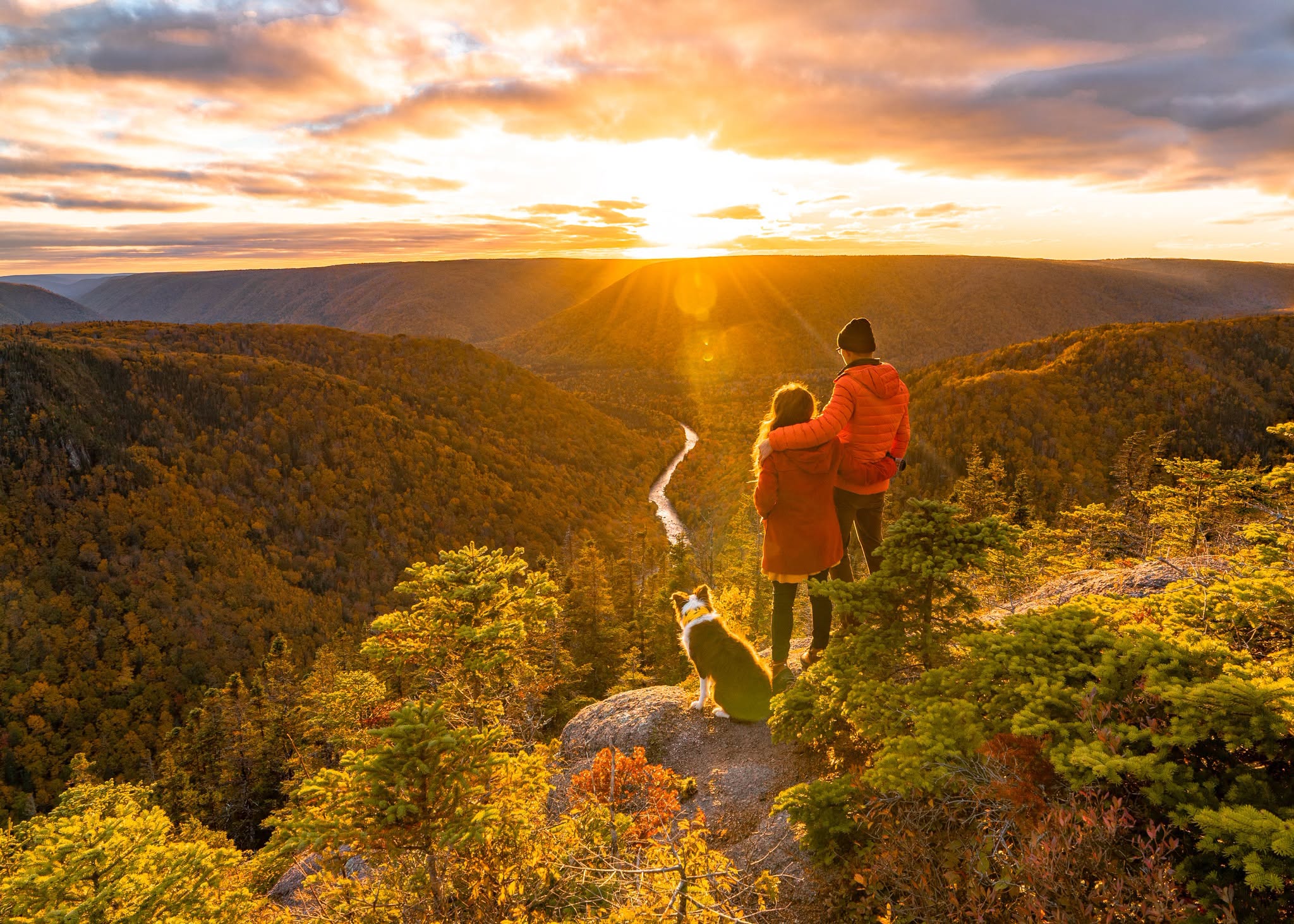
Cape Breton Island Travel Update
Last updated: Wednesday, September 16, 2026 at 9:00 am Cape Breton Island is open, and we can’t wait to show you why it’s worth the trip. The Island has bounced back fast after last week’s rain....

Snowmobiling on Cape Breton Island: The Complete Trail Guide
As the snow falls the Island transforms into a wintry paradise where explorers can find a new sights, new vistas and new adventures all winter long.
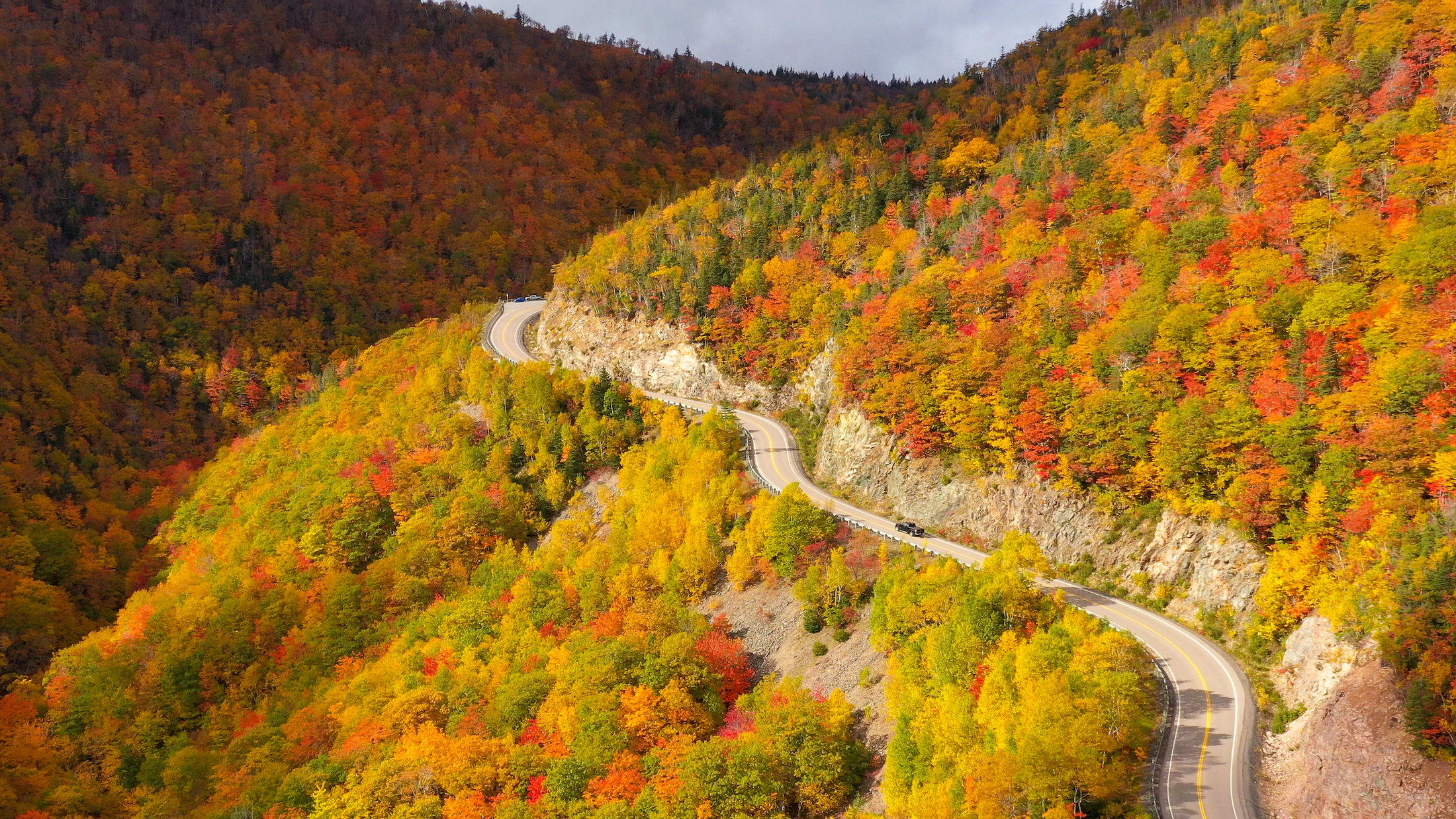
Cape Breton Island Is Ready to Welcome You This Fall
Our roads are clear, our communities are ready and this fall's colour, festivals and harvest season are happening exactly as planned.
Related Resources


Unlock the Island’s Best-Kept Secrets
Get seasonal itineraries, local tips and member-only offers, straight from Cape Breton insiders to your inbox once a month.
No spam, just wanderlust fuel. Free departure anytime.